
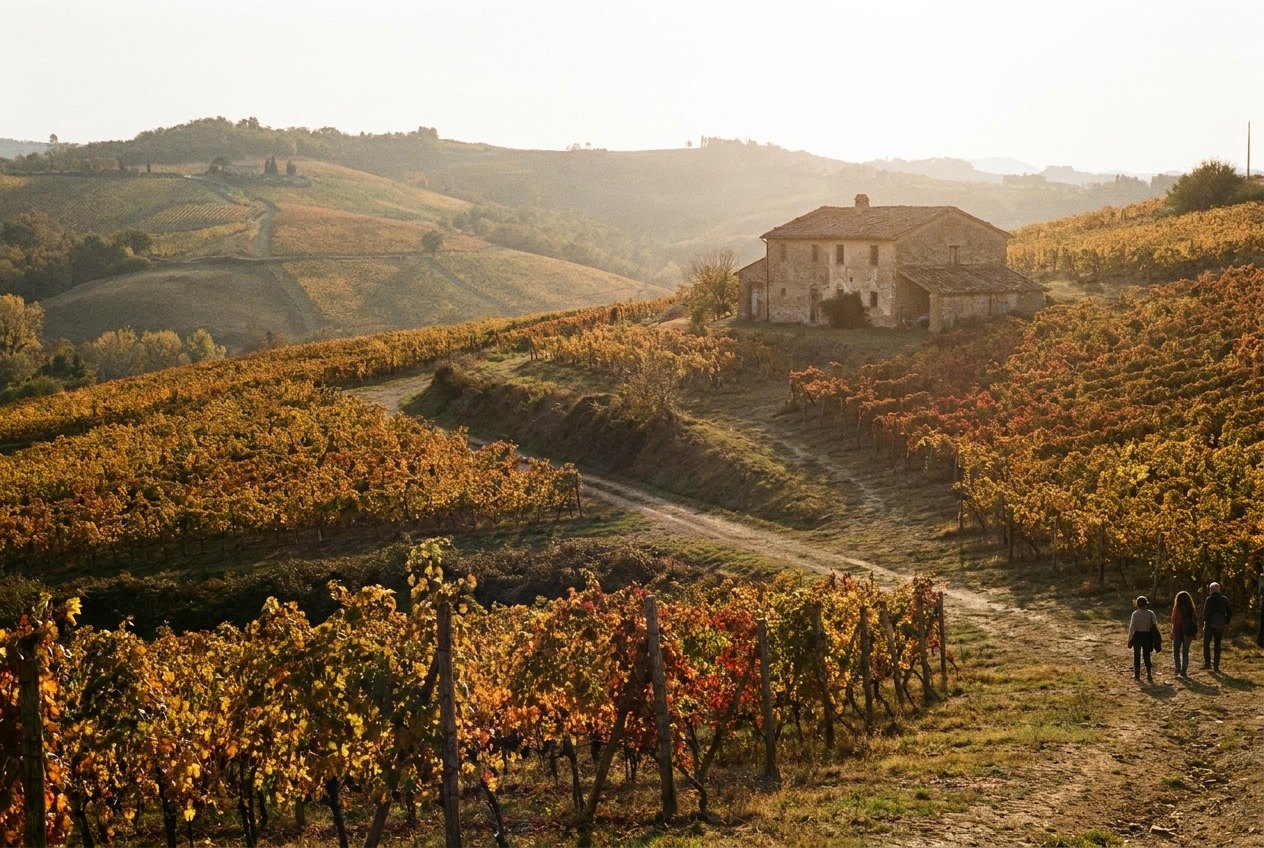
Worth knowingEurope's clocks go back on the last Sunday of October, and evenings suddenly get dark earlier. Plan long walks and mountain outings for the morning after that.
What the in-between months give you
Roughly speaking, the shoulder seasons run from April into early June and from September through October, on either side of the summer peak. The edges shift with geography: southern Spain and Sicily warm up well before the Alps, and the Baltic coast cools long before Andalusia. What these months share is a middle ground. Days are warm enough to sit outside at lunch and cool enough to walk all afternoon, and the people around you at the sights are fewer and less hurried.
The cooler weather matters more than many first-time visitors expect. A July afternoon in Seville, Florence or Rome can be too hot for sightseeing, and long climbs through hill towns or up to viewpoints are far kinder in May or October. Rooms are easier to find, sometimes at gentler rates, and people who work with visitors have more time for a conversation because they are not in the most frantic stretch of their year.
Light, colour and the length of the day
Spring brings long evenings without the summer haze. By May the light lasts well into the evening across most of Europe, and blossom and fresh green cover the countryside. Autumn has a lower sun, warmer colours in the woods and vineyards busy with the harvest in wine regions. The Mediterranean holds its summer warmth into September and often October, so a swim is still possible when inland towns are cooling down.
The trade-off comes late in autumn. Clocks across most of Europe change in late March and late October, and once they go back, darkness arrives in the late afternoon. In the north, afternoons shorten quickly through the autumn, so plan outdoor sights for the morning and keep museums and long dinners for the evening.
Expect more variety in the weather, too. A week in April can bring a warm terrace lunch one day and cold rain the next, and autumn storms roll in from the Atlantic with little ceremony. That is rarely a reason to stay home; it is a reason to keep one indoor plan in your pocket for each stop.
What closes when the crowds go
Places built around summer visitors wind down as autumn goes on. In the mountains, many cable cars and cogwheel lines pause for maintenance between seasons, usually in spring after the snow and again in late autumn, and some high roads open only once the snow has been cleared. The car-free villages above the Lauterbrunnen valley are a good example: check which lifts are running before you build a trip around them.
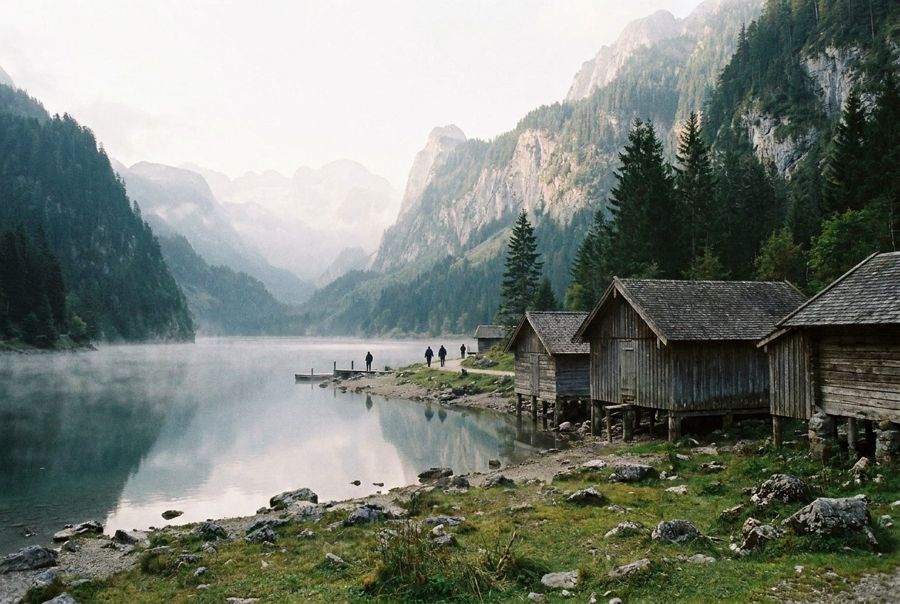 Pairs well withHallstatt early in the morning and late in the day
On the coasts, boats and ferries run reduced timetables, beach towns thin out, and some family-run guesthouses and restaurants shut entirely from late autumn until spring. Coastal paths can close after heavy rain or for repairs, as walkers discover in Cinque Terre in the quieter months. The heart of the shoulder season usually avoids the worst of this, but early April and late October are the edges.
Holidays that still fill the trains
Quieter does not mean empty. Easter moves every year and brings crowds, processions and closures of its own, especially in Spain and Italy, where Holy Week is a major event. Several spring public holidays follow Easter, including Ascension Day and Whit Monday in many countries, plus May Day; when one lands next to a weekend, families head off for a long break and trains and hotels fill. School holidays differ by country and, in Germany, by state, so a quiet week in one country can be busy just over the border.
Autumn has fixtures too. Munich's Oktoberfest starts in September and runs into early October, and big trade fairs in cities such as Frankfurt or Milan can fill hotels and trains for days. Britain's autumn half-term holidays come in late October, and All Saints' Day on 1 November is a public holiday across much of Catholic Europe. Look up the holiday calendar for every country on your route before choosing dates.
The most famous places are never truly quiet. Cruise ships keep calling at ports such as Dubrovnik, Santorini and the Italian Riviera through spring and autumn, and on a ship day the old streets fill by mid-morning. The answer is the same as in summer, only easier: see the busiest sights early or late, and spend the middle of the day somewhere smaller.
Booking ahead without overplanning
Even in shoulder season, a few things are worth reserving early: rooms in small towns with only a handful of places to stay, timed entry to the busiest galleries (the approach in big museums without the long lines still applies), and seats on high-speed or night trains where a reservation is required. The rest can stay loose. A route planned in outline, with the first and last nights booked and a couple of fixed points in between, lets you linger where the weather is kind and move on when it is not.
Pack for both warm and cool days: a light rain jacket, a warm sweater and thin layers that work together. Showers in spring and storms in autumn come and go, and a small bag that holds all of it is easy to manage on stairs and platforms, as one bag for two weeks explains. Then enjoy the reward of these months, which is room to breathe in places that feel crowded in July.
Filed under good travel habits.