
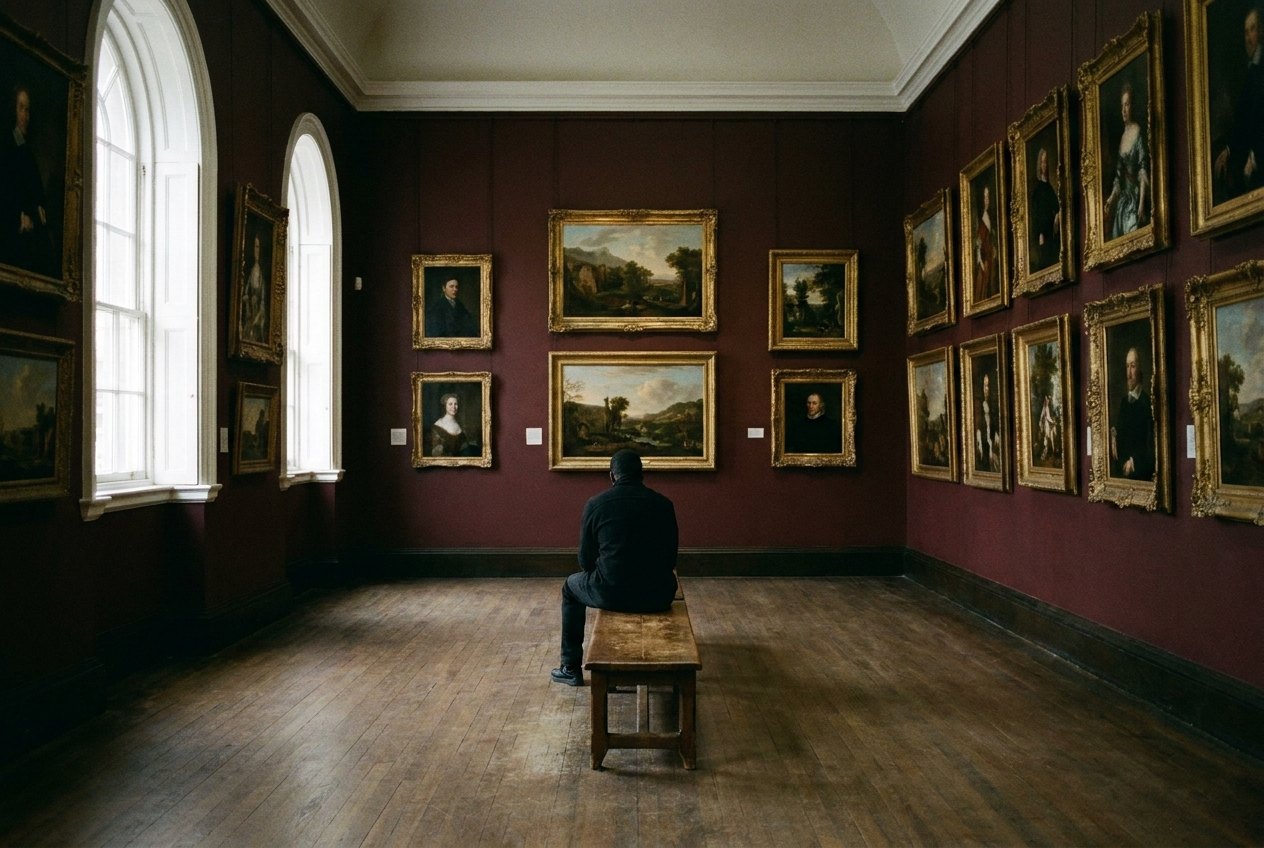
Worth knowingLarge backpacks and luggage are usually refused or sent to the cloakroom. Carry only a small bag on museum days and you skip one more queue.
The time slot is the ticket
Most of Europe's busiest museums now sell entry by time slot, and at several of them a reservation is the normal way in. The Louvre in Paris, the Uffizi in Florence, the Vatican Museums in Rome and the Rijksmuseum in Amsterdam all offer timed tickets online, and the Galleria Borghese in Rome admits visitors only in fixed slots booked in advance. A booking does not empty the rooms, but it turns a long wait outside into a short wait at security.
Book through the museum's own website where you can, and read what the confirmation says: the time, the entrance to use, and whether you need photo ID. Arrive a little before your slot, because security lines form at every big museum regardless of reservations. Many large museums close on one weekday, and the day differs from city to city.
Early starts and late finishes
The quietest time in most big museums is the first hour, before tour groups have worked their way in, or the last couple of hours, when groups have gone and families are heading off to eat. Some museums stay open late on one or two evenings a week, and those evenings can be the calmest of all. Midday in high summer is the worst time almost anywhere, and a visit in winter or in spring and autumn helps further.
A useful habit: start where everyone else does not. Crowds flow toward the most famous works first, so begin at the far end of the building or on an upper floor and reach the headline painting later, when the first wave has moved on. You will often find whole galleries nearly empty while a single room down the corridor is packed.
One wing, not the whole building
The Louvre is so large that walking every gallery would take days, and the Vatican Museums lead you through long corridors of sculpture, painted maps and frescoed ceilings before the Sistine Chapel. Trying to see everything leaves you too tired to see anything. Choose one wing, period or collection in advance, and give it two hours with a sit-down in the middle.
In the Uffizi, that might mean the Renaissance rooms with Botticelli's Birth of Venus and Primavera. In the Rijksmuseum, it might be the Gallery of Honour leading to Rembrandt's Night Watch and the Dutch paintings around it. In the Louvre, pick the Italian paintings or the Egyptian antiquities rather than both. Look at fewer works for longer: a painting you study for ten minutes stays with you, while forty glimpsed in an hour blur together by evening.
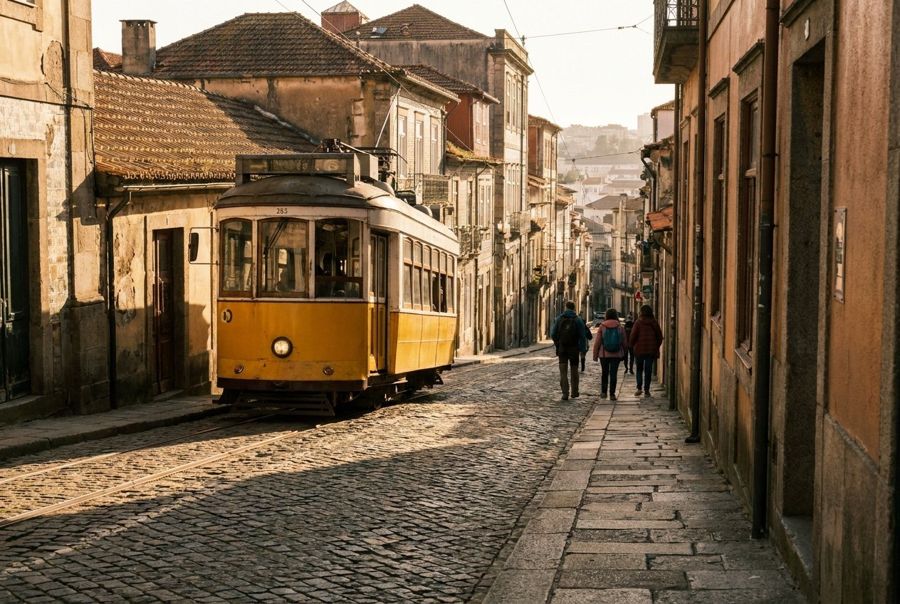 Pairs well withLisbon on foot, with the old trams for the hills
Bags, coats and the rules at the door
Expect airport-style security at the big museums, and expect your bag to be judged. Large backpacks, suitcases and sometimes umbrellas are commonly refused or must go to the cloakroom, and some museums have no room for luggage at all, so do not plan a visit on the way from the station with a suitcase in tow. Packed galleries are also places where pickpockets work, so keep a small bag zipped and in front of you.
Photography rules vary. Flash is widely banned, selfie sticks often are, and in the Sistine Chapel photography is not allowed at all. The Vatican expects covered shoulders and knees, and St Peter's Basilica applies the same dress code. Food and drink stay outside, so eat before you go in or plan a break at the museum's own cafe.
Comfortable shoes matter more than you might expect. Museum floors are hard, and two hours of slow standing tires legs faster than a country walk. Use the benches, sit in front of something you like, and do not feel guilty about it; a seated quarter of an hour with one painting is time well spent.
Smaller museums as a rest
After a morning in a giant, a small museum feels like a different activity. In Paris, the Musée Rodin pairs sculpture with a garden where you can sit among the bronzes. Florence's Bargello holds Renaissance sculpture in a former palace and prison, with far fewer visitors than the Uffizi a few streets away. Amsterdam has canal-house museums where you can see how a merchant family once lived, room by room. These places rarely need booking weeks ahead, though checking is still wise, and they leave you energy for the evening.
Churches can play the same role. Many of the great churches of Italy, France and Spain hold paintings and sculpture as fine as anything in a gallery, and plenty of them ask only for modest dress and quiet voices. Rules on visiting during services vary, so step back when worship is under way.
If the reservation calendar looks full, do not give up at once. Some museums release extra tickets close to the day, and checking the museum's own site again the evening before sometimes turns up a slot.
A good museum day has three parts: the big museum in the morning, a long, unhurried lunch after it (the ideas in eating well on the road apply), and something small or outdoors in the afternoon. You will remember more of all three than of a single marathon through every gallery in the building.
Filed under good travel habits.